
ICC Tensions Escalate as Pakistan’s Potential T20 World Cup Boycott
Cricket News Today: This is a diplomatic and contractual crisis that the International Cricket Council is going through since the Pakistan Cricket Board is weighing the idea of pulling out of the high-profile match against India.

 Share
Share
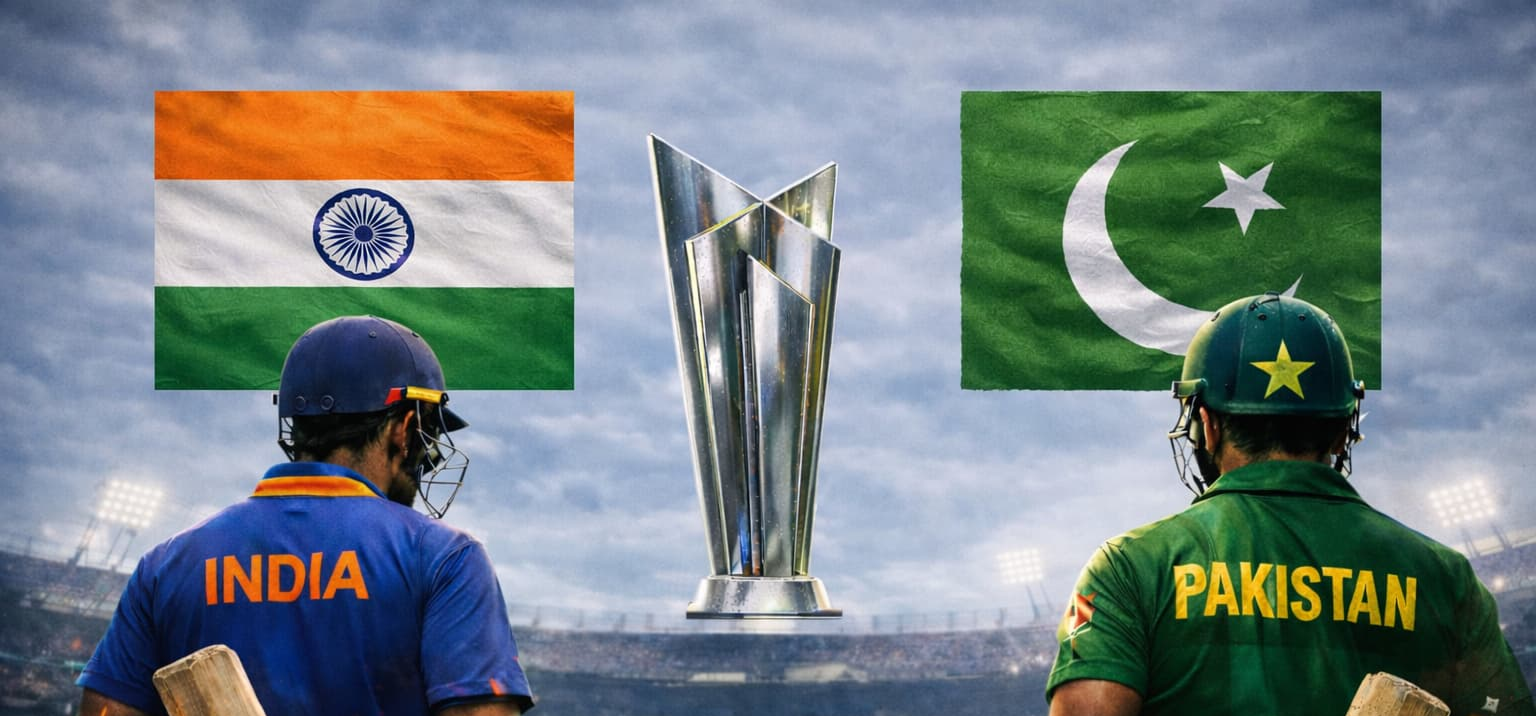
The world of international cricket is currently going through one of its worst-ever periods when the Pakistan Cricket Board (PCB) threatens to boycott its planned T20 World Cup match against India. What started as a dispute over where to host tournaments and travel visas has now turned into an all-out battle between the International Cricket Council (ICC) and the Board of Control of Cricket in India (BCCI).
This has not just threatened the commercial sustainability of the tournament but has also brought into serious doubt the legal liabilities of member nations in the Terms of Participation to the ICC.
The Core of the Dispute
The tension can be traced back to the fact that the Indian government has never allowed its national team to visit Pakistan in the past due to its security issues and diplomatic relations. As a result, India has constantly been promoting the idea of a hybrid system of hosting multi-national tournaments in the country in which Pakistan plays, but the matches of India are shifted to a neutral country like the UAE or Sri Lanka.
Rawal et al. (2010) responded that in retaliation, some voices in PCB and the Pakistani media have recommended that, in case India declines to visit Pakistan to play in the Champions Trophy, then Pakistan should consider boycotting its matches with India in ICC events, including the upcoming T20 World Cup. This tit-for-tat approach has been met with a lot of criticism by experts in the field of cricket and legal pundits who believe that the two cases cannot be equated according to international sports law.
Violation of Contractual Obligations
Reportedly, any action that Pakistan takes to boycott a match of the World Cup will amount to a direct breach of the Member Participation Agreement (MPA) that all participating boards have signed. The structure of the ICC is modeled in such a way that the tournament does not suffer any form of interference. By signing the Terms of Participation, a board will undertake to bring its best team to all planned matches.
Legal advisors postulate that a political or venue-related boycott would not be categorically classified in the “Force Majeure” clauses, which would relieve a team of participation. Pakistan will lose heavily, lose points, and cannot be allowed to participate in any further ICC event had it failed to turn up to meet India. The ICC aims at keeping its activities largely dependent on the income of the India-Pakistan matches to promote the growth of the game worldwide; the cancellation will be a huge violation of the broadcasting agreements, and the PCB might be liable.
Stay Tuned with Daily Info & Get Latest Cricket News Always!
Desperation and Misinformation in the Media
It has also been fueled by the desperate campaign that many observers have termed in the Pakistani media. There have been reports of the ICC conducting some sort of emergency meetings to consider the demands of Pakistan, or having the BCCI under pressure by other member countries to change its position.
But according to those who have been close to the BCCI and the ICC, these allegations are simply bogus moves created in a bid to cause panic or create a lever where there is none. The Indian board stands its ground and still holds that the decision to travel is a national security and government policy that overrides the schedules of the cricketing. The dissemination of false information has been considered as an effort to put the ICC on its toes, a move that the ruling body has, in the past, given precedence to the involvement of India, since 80 percent of the total amount of cricket revenue is generated by the country.
Challenges to the ICC: “Try and Ban Us”
This rhetoric came into full fever when even some former Pakistani cricketers and officials questioned the authority of the ICC. The emotion of karke dekh lo (Try and do it) has been reverberated in many talk shows as they opine that ICC would not have dared to bar Pakistan due to the good cricketing background and following that Pakistan had.
This is, according to critics, a risky gamble. Although Pakistan is definitely a powerhouse in the world of cricket, the institutional structure of the ICC is established on the basis of the unanimity of all the members. When a specific country is allowed to miss matches without any reprisals, it would create a precedent that will eventually result in the collapse of the international scheduling. The international community is increasingly demanding that the ICC be more hard-lined and enforce the rules to the letter to maintain the integrity of the sport.
Also Read: “I Didn’t Feel Respected” Why Yuvraj Singh Retired
Related News

Praggnanandhaa’s Epic Win Over Carlsen Signals Global Chess Shift
Latest Sports News: The game of grandmaster chess was stunned as Indian youngster Rameshbabu Prag...

Tahsin Jamshid: Epic Kerala Pride at the FIFA World Cup 2026
Latest Sports News: India is about to experience a historic moment to be proud of in the global f...

PV Sindhu Dominates Headlines: Insights from Her Singapore Open Run
Latest Sports News: This latest edition of the Singapore Open 2026 clearly displayed both the end...