
Supreme Court Rejects Plea for Mandatory Menstrual Leave, Cites Risks to Women’s Careers
Latest News Today: Chief Justice Surya Kant warns that the introduction of an obligatory offer of paid menstrual leave to employers might significantly reduce the chances of women being employed.

 Share
Share
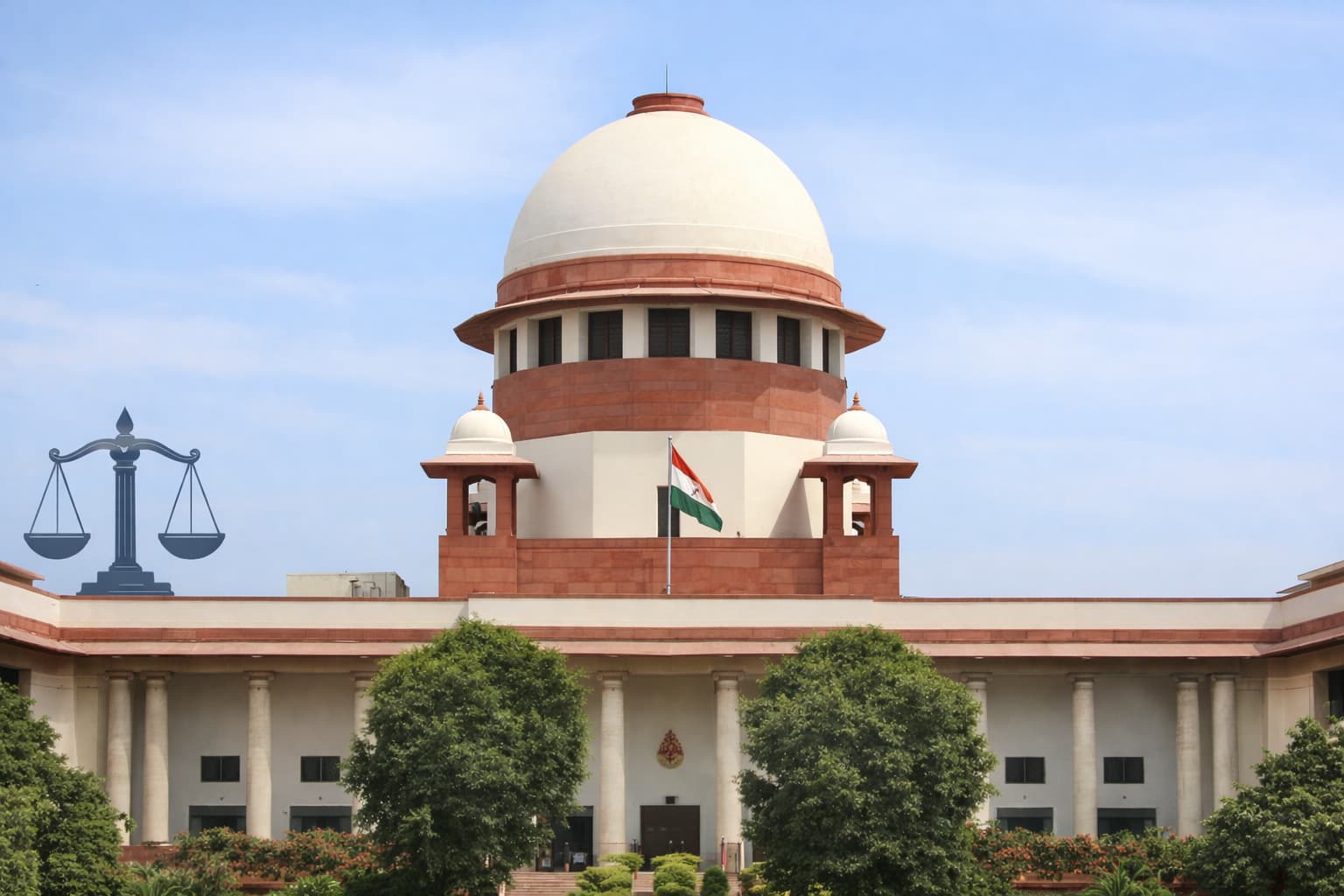
On Friday, the Supreme Court of India excluded a public interest litigation demanding a nationwide requirement of paid menstrual leave. The petition was meant to grant such leave to working women and students. But the highest court, on its part, made it quite clear that a mandatory legal obligation would be counterproductive and that it would be against the law to do so. Employers may just stop hiring women so as to avert the subsequent administrative cost.
Headed by Chief Justice of India Surya Kant and Justice Joymalya Bagchi, the bench dismissed the petition, instead sending the petitioner to the government. The court pointed out that such binding are part of the policy-making process and therefore lawmakers have to consult all the stakeholders before passing any workplace policies.
Fear of Unintended Consequences in the Job Market
The court laid more stress on the real-life requirements of the private sector. Mandatory menstrual leave may become a negative way of obstructing the professional growth of women. Chief Justice Kant observed that productivity is looked into by the employers. In case forced to offer more paid days off per month, employers may be reluctant to attract female applicants.
You are establishing a right to a monthly leave in the whole of the private sector. This could be detrimental to their development, the Chief Justice noted. He cautioned that employers would be hesitant when delegating important duties to women. Women may be requested to stay at home in the worst-case scenario.
The pragmatic view was echoed by Justice Bagchi, who emphasised that though affirmative action is constitutionally acknowledged, the labour market is based on the principle of cost and output. He said, the less attractive the human resource, the fewer chances of getting a job in the market.
Risk of Reinforcing Gender Stereotypes
The psychological impact of the proposed law was another major issue that was of concern to the bench. The judges were afraid that the concept of mandatory menstrual leave would have strengthened the negative stereotypes, which would suggest women are less competent or less trustworthy compared to their male colleagues.
The Chief Justice also raised questions as to the motive behind the PIL. He observed that there was no single woman who had personally applied to have this relief in the court. He condemned the petition as having a possible promulgation of a retrogressive story. This is basically to give an impression to young women that they are still deprived of certain things and have not caught up with men. The court had also included that these appeals often make menstruation a weakness, thus compromising gender equality.
Voluntary Policies Encouraged, But Compulsion Opposed
Senior Advocate MR Shamshad appeared on behalf of the petitioner in the hearing, Shailendra Mani Tripathi. He suggested that there are already a few jurisdictions and organisations that offer menstrual leave. He gave examples of Odisha, which has had such a policy since 1992, and Kerala, where educational institutions have certain relaxations.
The bench recognised such positive efforts and embraced voluntary efforts by the corporate bodies and state governments. It is a good thing that is provided voluntarily. The Chief Justice responded by saying there will not be positions offered the moment it is put into law. The court clearly explained the difference between creating social awareness and acting strictly in the form of strict legislation.
A Matter for Policymakers
It is the third time that the petitioner has taken the Supreme Court on this very issue. There were also similar hearings in 2023 and 2024.
The Supreme Court concluded with the hearing that the petitioner had already provided relevant bodies with representation. The bench ordered relevant government agencies to scrutinize the demand carefully, indicating that the government should consider the viability of a structural menstrual leave policy following a comprehensive consultation with employers and women.
Finally, the PIL was adjourned without compulsory guidelines. The Supreme Court clarified that, though the health issue of menstruation is critical, the protection of the gained space of women in the working culture is more important.
Also Read: IDFC Settles Chandigarh Branch Fraud Claims at ₹645 Crore
Related News

IDFC Settles Chandigarh Branch Fraud Claims at ₹645 Crore
Latest News Today, MUMBAI – IDFC First Bank has formally ended the issue relating to a massive fr...

Grandma Throws Boiling Water on 4-Year-Old Over Holi Colors
Latest News Today, NAGPUR – A 55-year-old woman in Nagpur was arrested by the Police in an incide...

CBI Approaches Delhi High Court Against Discharge of Arvind Kejriwal
Latest News Today: A petition has been submitted to the Delhi High Court by the Central Bureau of...