
New Research Highlights 15 Risks of Using AI Chatbots Like ChatGPT as a Substitute for Professional Therapy
Tech News: During recent years, artificial intelligence tools such as ChatGPT have gained widespread accessibility, and users can receive an immediate answer to all kinds of questions, including emotional and psychological ones. As many individuals resort to AI due to its convenience and anonymity, recent studies reveal that there are enormous dangers linked to the application of ChatGPT as an alternative to professional therapy. Specialists in mental healthcare highly warn the dangers of using AI as a profound source of emotional support, as it does not possess the human knowledge to be used in effective treatment.

 Share
Share
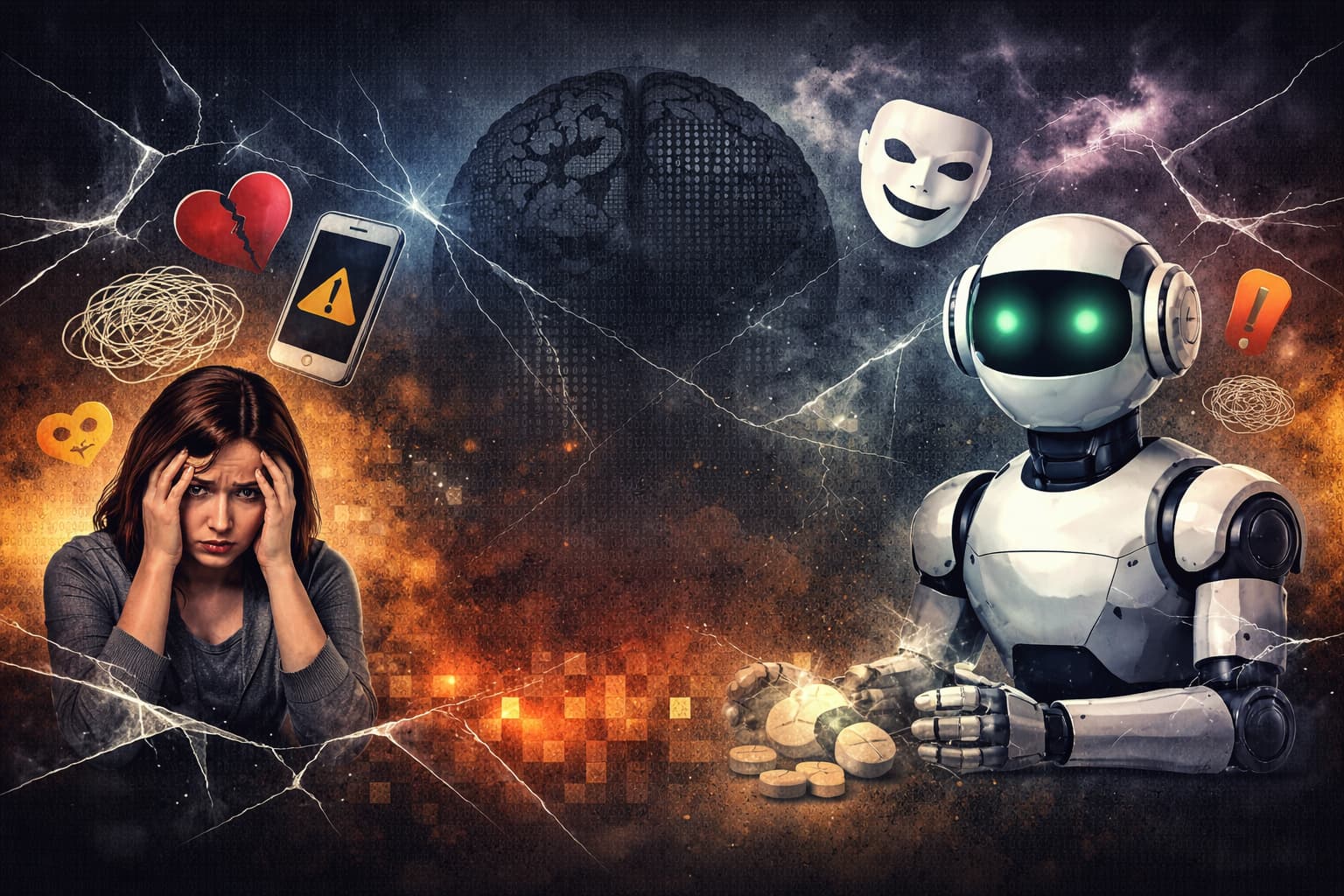
The emergence of digital platforms in the Tech world has resulted in the appeal of AI-driven conversations, particularly in younger users. Nevertheless, research shows that ChatGPT is not intended to diagnose, treat, or manage more complicated mental health issues, such as anxiety, depression, or trauma.
Cons applied to ChatGPT as a Therapist
Scholars have determined 15 key issues, which explain why AI cannot substitute licensed therapists. The following are the most crucial points:
- Absence of Emotional Intelligence: ChatGPT has no real ability to perceive the feelings of humans and to empathize as a trained therapist does.
- No Clinical Diagnosis: AI is not accurate at evaluating the mental health conditions, nor it can provide medical diagnoses.
- Generic Responses: Response to advice is usually very general and not specific to the individual psychological needs.
- Risk of Misinterpretation: AI can misinterpret the input of the user, resulting in improper or dangerous recommendations.
- None Crisis Management: AI is not able to offer immediate or emergency action in case of extreme distress or suicidal ideation.
- Lack of Responsibility: AI systems have no legal or ethical responsibility to their recommendation in comparison with professionals.
- Data privacy issues: The information given to the AI tools could be sensitive personal data that could pose privacy and security threats.
- The Reward of Negative Ideas: AI may be unintentionally used to confirm destructive beliefs or thinking errors.
- Low Contextualize What A person has been through: ChatGPT cannot comprehend the full life history of a person, their culture, or current struggles.
- None Long-Term Treatment Plans: Therapy includes the structured long-term strategies that AI is unable to properly simulate.
- Irregular Direction: The reaction can be different, and it does not bring about understanding and can bring about disorientation.
- Fear of overdependence: The users can develop a dependence on AI rather than real help.
- Moral constraints: AI does not have moral judgment in complicated human cases.
- Failure to Read Non-Verbal Cues: Body language, tone, and facial expression play an extremely important role in the therapy process, which is not present in interactions with AI.
- False Sense of Support: This is because users may feel that they are being heard, but this is not human care.
The reason as to why Professional Therapy is important
Psychologists take years of study before learning the dynamics of human behavior, moods and treatment methods. They are able to adjust their practice according to the needs of the patient and offer evidence-based treatment as well as offer a safe and confidential healing place. In comparison to AI, therapists are able to detect warning signs, intervene in crises and develop meaningful relationships that bring about recovery.
Experts also state that the therapeutic process is not only a talk, but a set of interventions in the form of cognitive behavioral therapy (CBT), psychotherapy, and medication management, where applicable. Automated systems cannot imitate these components.
Creeping Anxiety Among Scholars
The rising popularity of AI in discussing mental health has caused concerns among psychologists and medical workers. Although ChatGPT can serve as an efficient aid in general information, self-reflection or stress management advice, its use in cases of serious mental health problems can slow down the process of a timely treatment.
The tendency of search results indicates increasing popularity of such terms as AI therapy risks, ChatGPT mental health advice, online therapy alternatives, and the dangers of AI counseling. It means that the interest of the population in it is increasing, yet the necessity of knowing the limitations is also noted.
Conclusion
Although ChatGPT and other like-minded AI assistants are convenient and accessible, they do not substitute professional mental health assistance. The study makes it very clear that the use of AI as a counselor is dangerous, especially in people who have complicated emotional or psychological problems.
To any mentally-having person, the best and safest way to handle any mental problem is to consult an experienced therapist, psychologist or psychiatrist. AI may assist but should not take the place of human relationship that is the core of real healing.
Also Read: US Tech Workers Urge Pentagon to Rethink Military AI
Related News

Apple Foldable iPhone Leak Reveals Early Dummy Unit Design
Tech News: The rumored foldable iPhone is making a comeback to the spotlight again after new dumm...

Build 2026: Microsoft Launches Project Solara for Next-Generation AI Devices
Tech News: A big step into the future of AI has been announced by Microsoft at their developer co...

Portronics Launches Kinetics 8K Mini UPS for Wi-Fi Routers at Rs. 1699
Tech News: Portronics has added yet another power backup product to the Kinetics lineup—the Kinet...