
US-Iran War: The Explosive $300B Draft Deal That Could Change History
Business News Today: The geopolitical situation of the US-Iran (Middle East) is now at a critical juncture. The quiet diplomatic exchanges between Washington and Tehran are extremely heated and intense, raising worldwide speculation about a secret draft deal. The plan calls for a truce in the ongoing conflict between the US-Iran , along with an investment package of as much as $300 billion, and a new, stable security structure for the key Strait of Hormuz.

 Share
Share
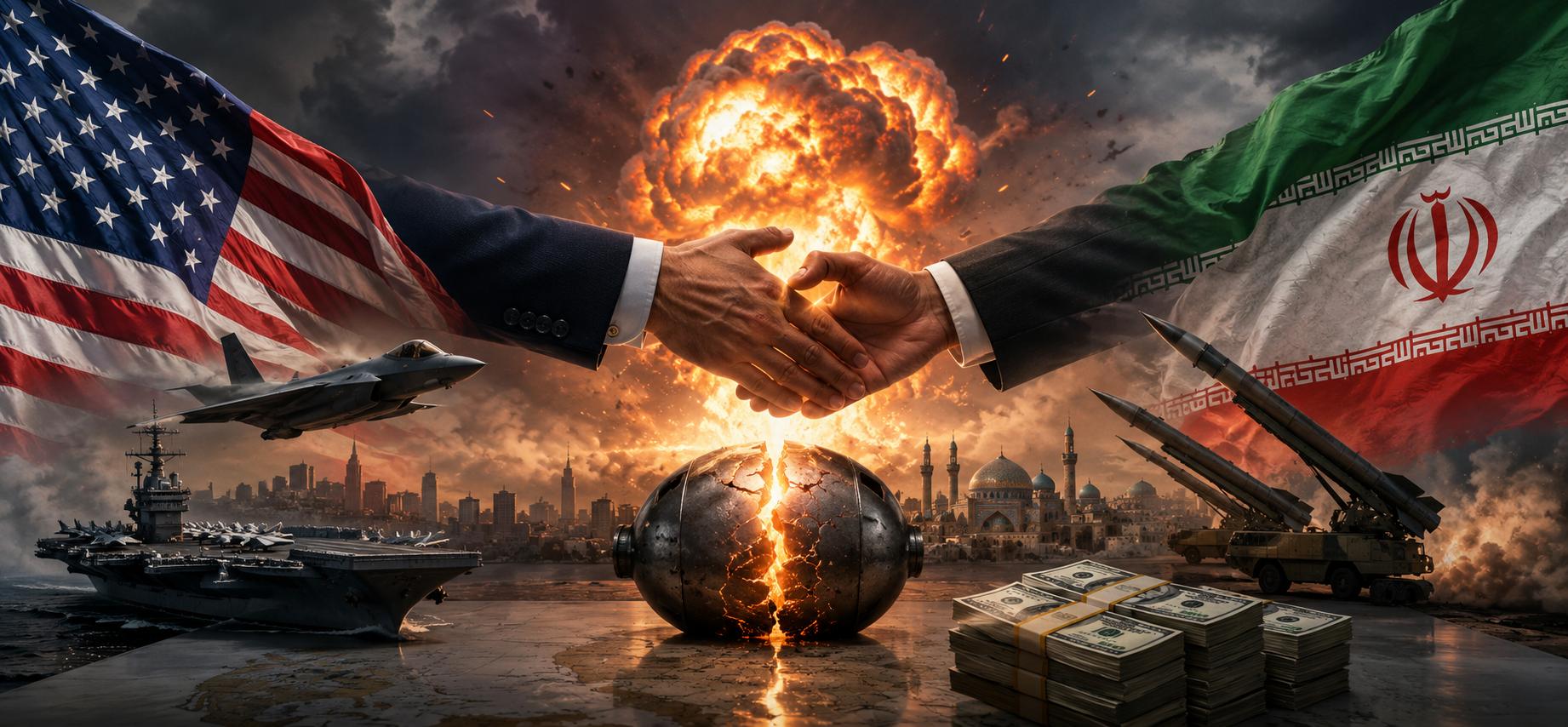
The financial consequences would be enormous and reverberate around the globe, which has long feared a potentially limitless conflict. The world’s financial markets are on edge as markets continue to experience volatility as countries brace for more. In another example, the Rupee Falls to 95.43 to the dollar, mirroring the general sentiment of emerging markets of continued geopolitical uncertainties. Breaking this down to the US-Iran negotiations will likely bring stability to this flux, allowing much needed clarity for international trade and the global Business sector.
The Triad of De-escalation: Truce, Investment, and Maritime Security
The crux of this possible deal is a series of pledges to defuse the hot tensions between the United States and Iran. The ceasefire called for would have to be a ceasefire of all active hostilities and proxy man-oeuvres. At the same time, the $300 billion investment package, which has infrastructure, energy modernization and technological exchange as its core, serves as a huge incentive for long-term regional stability. Last, the agreement seeks to create a monitoring committee that is neutral, allowing for free navigation of oil and commercial shipping on the Strait of Hormuz, a major shipping lane for the region.
Strategic Economic Integration and Diplomatic Implications
The investment package is not just a stopgap measure for an immediate end to the fire, but a transformative tool as well. International mediators hope to make it too expensive for both sides to be aggressive in the future by making them so economically dependent. This approach recognises that a purely military approach is not enough to ensure ongoing order. The consequences of these top-level talks are being seen within the multinational companies themselves, as witnessed by the implementation of the new Maruti Suzuki Introduces WFH Policy to deal with the current economic and logistic uncertainty. The US and Iran must handle their relationship carefully using both pressure and economic incentives to maintain peace.
Key elements of the investment strategy for US-Iran:
- Full scale development of regional RE infrastructure.
- Massive sea-port development at ports to enhance shipping connectivity.
- A regional trade council should be created to reduce tariffs.
- Enabling secure cross-border communication and supply chains.
The Hormuz Dilemma and Global Energy Stability
The crux of this ongoing negotiation is the Strait of Hormuz, which is the most vulnerable point. The draft plan proposes to establish a neutral administrative zone under the supervision of an international observation team, to eliminate the possibility of blockade. This is a key step in rebuilding trust in the energy industry around the world. The settlement of the US-Iran standoff at this chokepoint will take a major load off the inflationary pressures of escalating shipping insurance rates, which would have a big effect on the price of energy for millions of people around the world.
Prospects for Success and Remaining Obstacles
The draft offers a powerful blueprint, but a long path to implementation is fraught with entrenched mistrust. Hardline critics on both sides of the aisle have pressured the leaders of Washington and Tehran, with hardliners in both countries raising doubts about the terms of the proposed US-Iran framework. In addition, reactions from regional allies have been mixed, as they consider the implications of the deal as it could change the balance of power.
The effectiveness of the US-Iran initiative will rely not only with the willingness of the main signatories to follow through on the terms, but also with US-Iran capacity to deal with the concerns of a wide array of competing regional actors including business stakeholders. The key is whether this draft will move from the negotiating table to reality in the coming months. If diplomacy succeeds, it could bring a new era of relative calm in the Persian Gulf. If it fails, the region may return to confrontation. The international community is still deciding how to respond to this U.S.-Iran initiative, while the future of relations between the two countries remains uncertain.
Also Read:LG Electronics Q4 Profits Fall 8.2%: Why Revenue Remains Unstoppable
Related News

Jan Dhan Yojana Crosses 58 Crore Accounts, Boosting Financial Inclusion in India
Business News Today: India has had the occasion to observe history being made as the Pradhan Mant...

SEBI Bans Rajesh Exports CMD Over Alleged Financial Irregularities
Business News Today: SEBI hit the Chairman and Managing Director of Rajesh Exports with hefty fin...

Byju’s Tragedy: How Absolute Success Ruined a $22B Empire
Business News Today: Byju’s is a modern-day corporate tragedy, the rise of the Indian ed-te...