
Capital Market Stocks Face Steep Sell-Off as RBI Tightens Trading Rules
Stock Market in India Today: A sharp fall was witnessed in the Indian equity market on Monday, with key players in the capital markets reacting strongly to new regulatory steps being introduced. The major ones like BSE Ltd, Angel One, and Groww fell as much as ten percent in the start-up trading session. This decline comes on the heels of a recent speech by reserve bank of India (RBI), which aims at preventing any speculative nature and tightening the reins on the loans they have given to market intermediaries.

 Share
Share
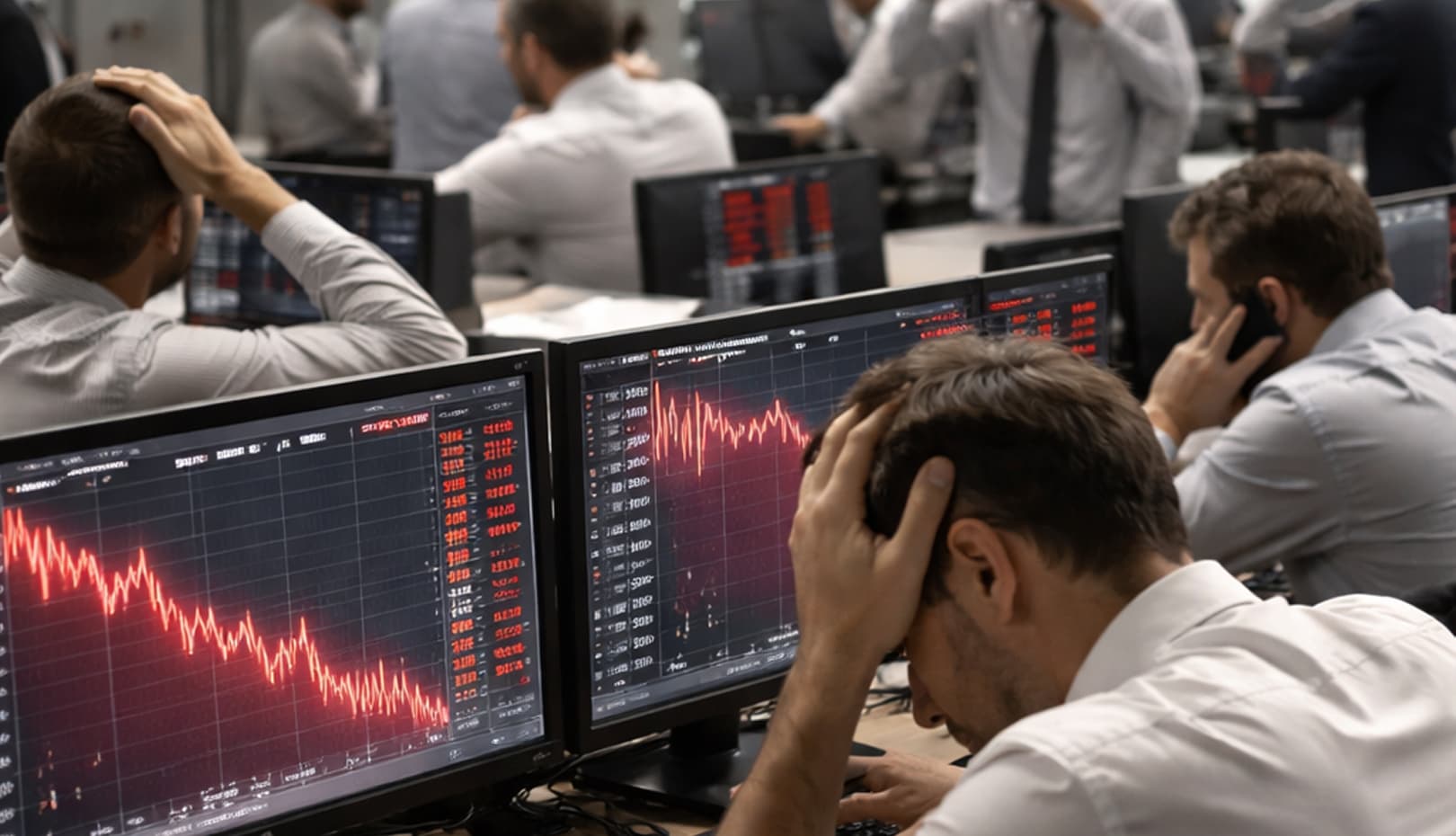
The investors responded quickly to the Friday announcement by the Central Bank that announced stricter prudential standards that stock and commodity brokers have to possess. These rules, which are to come into effect on 1 April, are intended to curb high-leverage trading and to make sure that credit facilities provided to the participants of the securities market are guaranteed with a greater degree of trustworthiness.
New Directives Target Proprietary Trading
The most important part of the restructured system of RBI is on the point of proprietary trading, where the financial institutions trade under their own funds but not on behalf of their clients. As stated in the new requirements, all credit facilities given to securities firms should be secured with adequate assets. Besides, the central bank has prohibited banks from issuing credit to brokers for their proprietary investments or trading accounts.
Also, the RBI has required the banks to ensure that there is complete security of any collateral provided on behalf of a broker in a proprietary trade. Precisely, fifty percent of this collateral should be cash, and the other half should be in cash equivalents or government securities. Such an action will have the effect of significantly limiting the asset base upon which trading companies can utilize as collateral and may tighten liquidity in high-volume speculative trades.
Impact on Market Volumes and Earnings
Market pundits maintain that these regulatory changes may cause a quantifiable fall in the trading volumes, particularly in the equity derivatives sector. In the past, proprietary trading firms have been very active participants in the market; in the past year, they contributed over half of all equity options traded in the National Stock Exchange (NSE). Their involvement in the cash equities market is most recent and was at an all-time high of approximately thirty percent.
Jefferies Financial Services Company has suggested that the new norms would impact about ten to twelve percent of the aggregate options turnover. This change can result in a close to ten percent impact on earnings per year in the case of exchange operators like the BSE. The fact that the RBI moves only after the move by the government to impose extra taxes on transactions on single stock and index derivatives puts pressure on the sector since this move comes soon after the government had raised this tax in an effort to reduce excessive speculation.
Shares of Major Intermediaries Nosedive
The stock market in India reflected these concerns immediately. BSE Ltd shares fell by nine point five percent to as low as 2736 in the NSE. The exchange is particularly exposed to regulatory changes, which can cut retail or proprietary trading after gaining so much in the recent boom in options trading.
This was also the case with the brokerage firms. The share price of Angel One dropped by six percent, and it traded close to 2,540.40. Similarly, Billionbrains Garage Ventures Limited, the parent company of the trading platform and favorite among the population, Groww, saw a decline of over four percent. The investors worry that the combination of the increase in margins, tightening of the collateral requirements, and increase in taxes will reduce the fast pace of the growth that the platforms have been experiencing over the last two years.
A Broader Push for Financial Stability
The ruling of the RBI is included in the entire regulatory scheme to maintain financial stability in the wake of increased retailing activities in capital markets. The regulators have repeatedly voiced doubts regarding the risks associated with high-leveraged trading and how the stress can be systemic in the case of escalating market volatility.
The RBI aims at providing a buffer stock market by enforcing complete security on bank guarantees and restricting the issue of unsecured lending to brokers. Although these measures might help to temporarily calm down the market business, the central bank regards such measures as the necessary steps to avoid the evergreening of loans and to make sure that the growth of the market is based on actual capital and not on excessive debt.
Also Read: Nifty IT Index Plummets 10% in Two Days
Related News

Indian Markets Bleed as West Asia Conflict Escalates
Stock Market in India: On Monday morning, there was a strong sell-off in the Indian financial mar...

AI Fears Shake India’s IT Giants, $47 Billion Wiped Off in Market Rout
Stock Market in India: The Indian software industry is facing one of the toughest markets it has ...

IT Sector Meltdown: A Dead End or a Buying Opportunity?
The Indian Information Technology (IT) industry, which was the unquestionable star of the stock m...